
What the reserve fund ledger must contain
A clear look at the minimum information that should appear in a reserve fund ledger and why each entry matters for the annual report. The ledger is not just a record of payments - it is the foundation of every financial report the manager produces.
Each entry should identify the date, the nature of the transaction, the amount, and the resulting balance. Expenditure entries need supporting documentation references. Without this structure, the annual reconciliation becomes difficult and the report to co-owners cannot be verified.

Presenting the annual report to co-owners
How to structure the annual financial report so that co-owners without accounting backgrounds can follow the numbers and ask informed questions. The format matters as much as the content.
A report that lists transactions without context is technically complete but practically unhelpful. Grouping expenditures by category, showing opening and closing balances clearly, and including a brief narrative summary makes the document usable for the people who need to understand it.
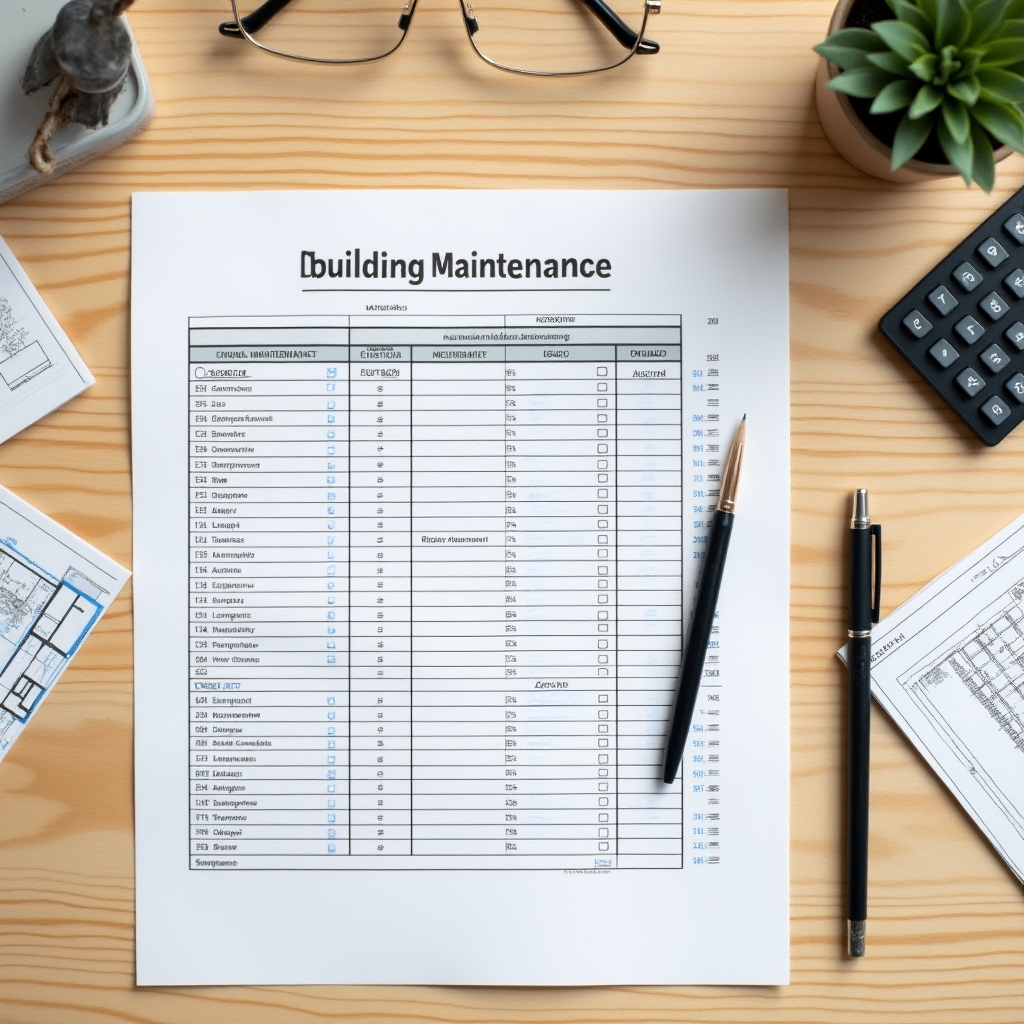
How to draft a realistic annual maintenance plan
The annual maintenance plan is more than a wish list. It is a financial planning document that connects anticipated work to available resources. A plan that exceeds the reserve fund balance is not a plan - it is a problem deferred.
Starting from the current reserve fund balance, projected contributions for the year, and a prioritized list of maintenance needs gives the plan a realistic foundation. Items that cannot be funded in the current year should appear in the plan with a note about when they are expected to be addressed.
The manager's financial obligations under Croatian property law
The Ownership and Other Property Rights Act establishes the framework within which building managers operate. Understanding which obligations relate specifically to the reserve fund helps managers focus their administrative effort correctly.
The law addresses the existence of the fund, the obligation to maintain it separately from other funds, the basis for contributions, and the obligation to account for expenditures. Each of these translates into a specific administrative task that the manager must perform regularly.
How contribution amounts are determined
Contribution amounts are not arbitrary. The calculation method connects to the ownership share of each co-owner and to the agreed contribution rate. Understanding this connection is essential for explaining to co-owners why their individual amounts differ.
When co-owners question their contribution amounts, the manager needs to be able to trace the calculation back to its inputs: the ownership share, the rate, and the calculation period. This is straightforward when the ledger is structured correctly from the start.
Documenting reserve fund expenditures correctly
Every expenditure from the reserve fund should be supported by documentation that identifies what the payment was for, who received it, and when it was made. This documentation serves two purposes: it supports the annual report and it protects the manager if questions arise later.
Invoices, contracts, and payment confirmations should be filed in a way that connects them to the corresponding ledger entry. A simple reference system - matching ledger entry numbers to document files - makes retrieval straightforward when the annual report is being prepared.